

You moved in with high hopes. A week later you’re lying in a bunk under a flickering fluorescent, three feet from a roommate who snores like a chainsaw, and you’re wondering if the next nine months are going to feel like this. Breathe. You have more options than you think.
First: is this a “give it time” situation?
Most freshmen hate their dorm in the first two weeks. By October, most have adjusted. Before you escalate, ask yourself:
 Home It Adjustable Bed Risers – 3/5/8 Inch (4-Pack)
↗
Home It Adjustable Bed Risers – 3/5/8 Inch (4-Pack)
↗
 HOLDN' STORAGE Adjustable Bed Risers – 3/5/8 Inch (4-Pack)
↗
HOLDN' STORAGE Adjustable Bed Risers – 3/5/8 Inch (4-Pack)
↗
 YAASHEEN Under Bed Storage with Wheels – 2-Pack (60L)
↗
YAASHEEN Under Bed Storage with Wheels – 2-Pack (60L)
↗
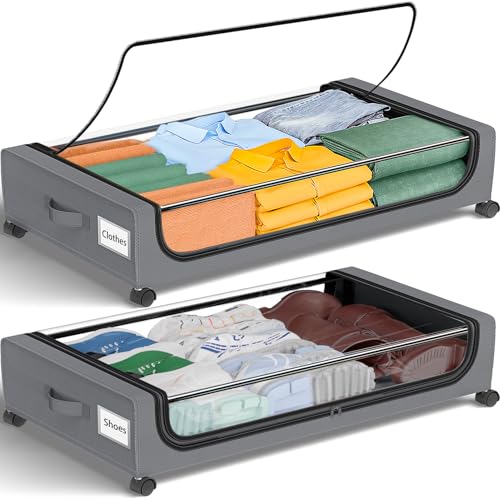 GoMaihe Under Bed Storage with Wheels – 2-Pack (48L)
↗
GoMaihe Under Bed Storage with Wheels – 2-Pack (48L)
↗
- Is this a real problem, or am I just homesick and projecting?
- Have I talked to my roommate about it directly?
- Is this fixable with earplugs, a fan, a better mattress topper, or a conversation?
- Has my routine settled into something normal yet?
If the answer is “I haven’t really tried,” try first. If you’ve tried and it’s still bad, move on.
Things you can fix yourself
Noise
- Earplugs (foam or wax)
- White-noise machine or fan
- Noise-canceling headphones for daytime
- Move your desk to a quieter spot if possible
Light
- Sleep mask
- Blackout curtains (Command-strip-mounted so they don’t damage walls)
- Warmer lamp bulbs to counter fluorescent harshness
Temperature
- Small fan (even rooms with AC often have dead zones)
- Space heater if allowed — check dorm rules
- Heavier or lighter bedding depending on direction
Smell
- Air purifier (many dorms ban plug-in scented products but allow HEPA purifiers)
- Open a window daily
- Keep trash and laundry sealed
Cleanliness
If your room feels gross:
- Buy a small vacuum or request a loaner from your RA
- Wipe surfaces weekly
- Clean floor more often than feels necessary — dust accumulates fast
Things you need to talk to your roommate about
Most roommate issues aren’t actually the roommate — they’re the lack of communication. Start with a direct, calm conversation. “Hey, I’m struggling with X. Can we figure out a system?” Most people will adjust once they know something is bothering you. See our article on getting along with your roommate for more.
Things you need to talk to your RA about
- Harassment, bullying, or threats from a roommate or floormate
- Substance abuse that’s affecting the room environment
- Repeated sleep deprivation caused by roommate behavior
- Safety issues — broken locks, unsafe behavior, theft
- Mental health crises (yours or your roommate’s)
RAs are trained to help with these. That’s their whole job. Using them isn’t snitching — it’s asking for support.
Requesting a room change
Most schools have a formal room-change process. Steps usually include:
- Try to resolve the issue at the roommate level first (RAs will ask you if you did)
- Fill out a room-change request form with your housing office
- Explain the specific problem — document it
- Wait for an opening — mid-semester moves depend on vacancies
Most schools freeze room changes for the first 2–4 weeks of the semester, then open them up. Know your school’s timeline.
Medical or accessibility accommodations
If your issue involves documented medical, psychological, or accessibility needs, go through your disability services office. They have priority in housing assignments and can sometimes get you moved quickly.
When transferring rooms isn’t possible
If no rooms are available, here’s how to survive the rest of the year:
- Spend less time in the room — use the library, coffee shops, common rooms, friends’ rooms
- Establish rituals that break up the time (walks, workouts, a weekly club meeting)
- Remember that this is temporary — you get to pick again next year
The mindset shift
Your dorm room is not your home. It’s a launchpad. For most students, freshman year housing is a rite of passage, not a destination. Even objectively bad rooms become part of a good story by junior year.
Looking for real photos, floor plans, and student reviews of specific dorm rooms? Search your school at DormScouter — a free, growing library of dorm reviews from the students and parents who've actually lived there.
💬 Comments & Tips